What to Do If You're Facing Discrimination at Work
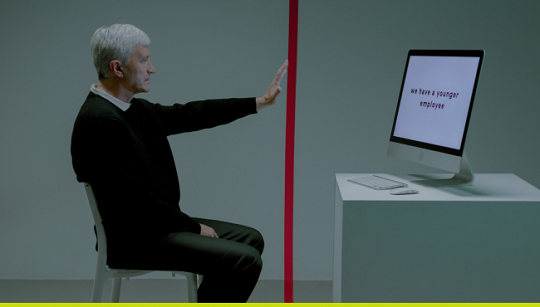
Everyone has the right to be treated fairly at work. Unfortunately, discrimination can still happen in many different ways, from being overlooked for promotion to experiencing inappropriate comments or being treated differently because of a protected characteristic.
If you believe you are being discriminated against at work, it can be difficult to know what to do next. You may be worried about making the situation worse, damaging your working relationships or putting your job at risk.
Understanding your rights and getting the right advice can help you decide how best to deal with the situation.
What Is Workplace Discrimination?
The Equality Act 2010 protects employees and workers from discrimination because of certain protected characteristics. These include age, disability, gender reassignment, marriage and civil partnership, pregnancy and maternity, race, religion or belief, sex and sexual orientation.
Discrimination can take different forms. It might involve being treated less favourably because of a protected characteristic, a workplace policy that puts you at a particular disadvantage, unwanted conduct that amounts to harassment, or even being treated badly because you have complained about discrimination.
It can happen at any stage of employment, including recruitment, promotion, pay, training, disciplinary procedures, redundancy and dismissal.
What Should I Do If I Think I’m Being Discriminated Against?
If you think you are experiencing discrimination, start by keeping a clear written record of what has happened. Make a note of dates, what was said or done, who was involved, and whether anyone else witnessed the incident. Keep relevant emails, messages, letters and other documents. Try to keep your records factual and avoid making assumptions about someone's motives. This information can be very useful if you decide to raise a complaint with your employer or seek legal advice.
Check Your Employer's Policies
Your employer may have a specific policy covering discrimination, bullying, harassment or grievances. You can check your staff handbook or internal policies to find out how concerns should be raised and who you should speak to.
If you feel comfortable doing so, you may initially be able to raise the issue informally with your manager or HR team. Some workplace problems can be resolved at this stage without the need for formal proceedings.
If the problem is serious, ongoing or has not been resolved informally, you may want to consider raising a formal grievance.
What If I Have Been Harassed or Bullied?
Discrimination is not the only workplace issue that can give rise to legal rights. Harassment related to a protected characteristic may also be unlawful. This can include unwanted comments, jokes or behaviour that creates an intimidating, hostile, degrading, humiliating or offensive environment.
What If I am Disabled?
If you have a disability, your employer may have a duty to make reasonable adjustments to remove or reduce disadvantages you experience at work. Depending on your circumstances, this could involve changes to working arrangements, equipment, working hours or the way certain tasks are carried out. If you believe your employer has failed to make reasonable adjustments, it is worth raising the issue with them and seeking advice if the situation is not resolved.
What If I am Treated Badly After Making a Complaint?
Employees can also be protected from victimisation. This can occur where someone is treated negatively because they have complained about discrimination or supported someone else's discrimination complaint.
For example, if you raise a genuine discrimination complaint and are subsequently subjected to unfair treatment because you made that complaint, this could raise a separate legal issue.
Raising a Formal Grievance
In many situations, raising a formal grievance gives your employer an opportunity to investigate what has happened and take steps to resolve it. Your grievance should explain exactly what happened, when it happened, who was involved and why you believe you have been treated unfairly. Providing relevant evidence can help your employer understand the concerns being raised. If you are a member of a trade union, you may also wish to speak to your representative.
At RDC Solicitors, our employment law team can advise employees on workplace problems and help them understand their options. This may include advising on how to approach an employer, negotiating on your behalf or considering alternative dispute resolution such as mediation.
What If the Problem Can’t Be Resolved?
If your concerns can’t be resolved, you may be able to bring a claim before an Employment Tribunal. However, it is important to seek advice promptly because employment claims are subject to strict time limits. In most discrimination cases, you will need to notify ACAS before bringing a tribunal claim. The current time limit is three months less one day from the act you are complaining about, subject to the rules around ACAS Early Conciliation. However, this will change at the end of September 2026, with the new time limit being 6 months and ACAS can pause or extend time limits while negotiating.
The fact that you are going through your employer's grievance procedure does not necessarily mean you can ignore the tribunal deadline. Getting advice early can help you understand the relevant time limits and avoid losing the opportunity to bring a claim.
Should I Leave my Job?
If discrimination has made your working environment difficult, you may be considering resigning. This is an important decision and should not be taken without first considering the potential legal and financial consequences. In some circumstances, serious treatment by an employer may give rise to a constructive dismissal claim, but these claims can be complex.
If possible, seek legal advice before resigning. An employment solicitor can help you understand your position and consider whether there are other options available.
How RDC Solicitors Can Help
You do not have to wait until a workplace problem becomes a formal legal dispute before seeking advice. RDC Solicitors' employment law team advises employees on discrimination, bullying and harassment, unfair dismissal, redundancy and wage disputes. The team can provide an initial assessment of your situation and advise on the most appropriate next steps. Where necessary, RDC can also represent employees in negotiations with their employer or in Employment Tribunal proceedings.
The firm's approach is focused on providing practical advice while minimising unnecessary conflict, helping you understand your options and decide how you want to proceed.
Advice About Discrimination
If you are experiencing discrimination, harassment or other unfair treatment at work, getting advice early can help you understand your rights and the options available to you.
At RDC Solicitors, our experienced employment law team provides practical, confidential advice tailored to your circumstances. Whether you need help approaching your employer, resolving a dispute or considering an Employment Tribunal claim, we're here to help.
Contact us today on Bingley 01274 723858, Ilkley 01943 601173 or Bradford 01274 735511 to discuss your situation with one of our experienced employment solicitors.